
The Best Parts of Your Job
Every morning my inbox gets processed before I open it. Triage runs, replies flagged, low-signal threads batched. By the time I sit down, I’m looking at decisions — not the pile.
I’ve been running AI on my own business for three weeks. That’s the part I didn’t expect to change.
The frame I keep reaching for: the dull work and the amazing work.
The dull work has rules and patterns and known outputs. Draft this, sort that, format the other thing, pull the weekly numbers, schedule the follow-up that never happened because there was always something more important. A machine that can follow rules and recognize patterns can do all of that — not perfectly, but well enough that the time you get back is real.
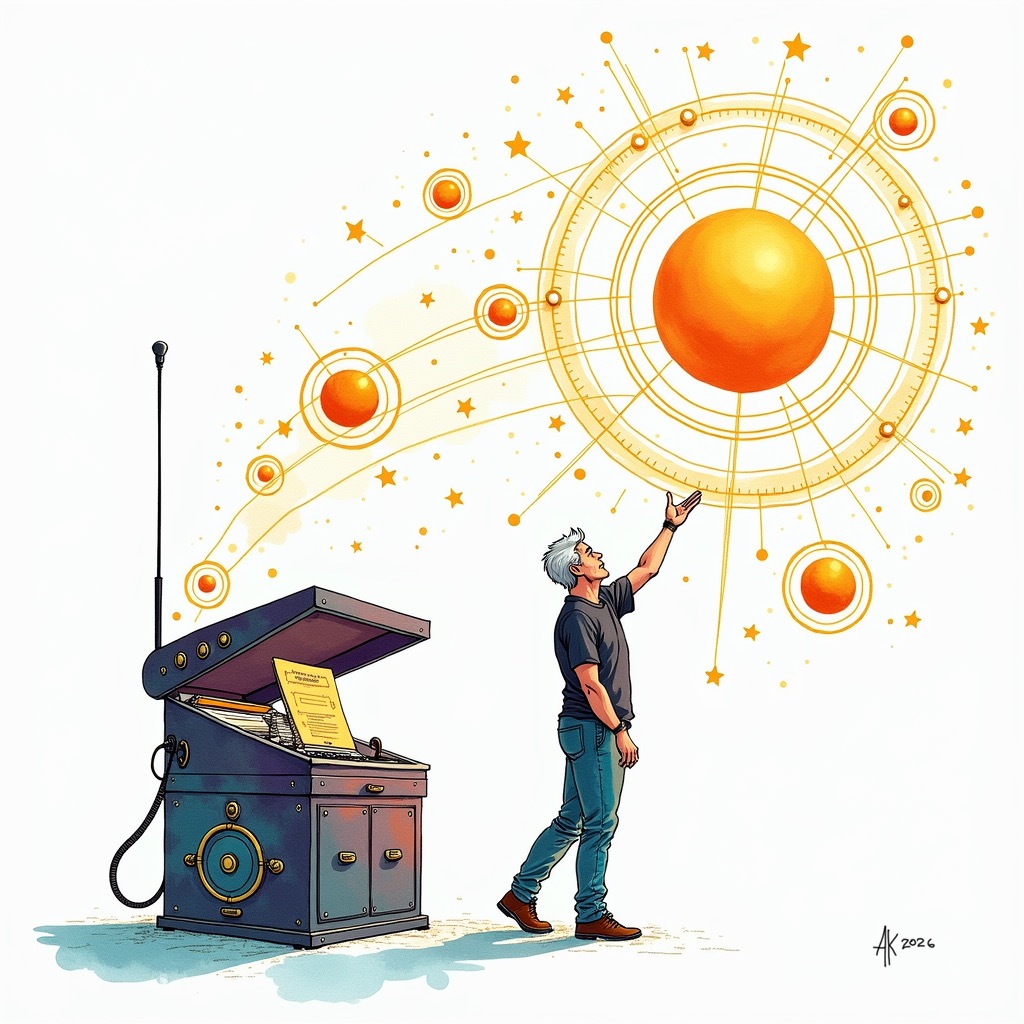
The amazing work requires you specifically. Your history with this customer. Your taste about what the right move is. Your read of the room when something shifts. The judgment that took years to build. The conversation that only works with a real person on the other end.
AI doesn’t touch that. It clears the path to it.
That’s not a consolation. That’s the whole point.
I’ve been doing this for 25 years — just not with these tools.
The pattern was always the same: find what has rules, build the system that runs it, hand the humans back their best hours. Microsoft and Stripe were just the biggest stages I got to do that on. Different surfaces, same shape.
AI just collapsed the timeline from “years to build the system” to “weeks to install it.” That changes the math on who can afford to build it.
So I’m building something around this. (Finding what to build took its own kind of clarity.)
Obaron started as an AI Readiness auditor — measuring how well AI agents can find and use your content. Real problem. But the bigger thing I kept running into: the installation itself. A scan tells you what’s wrong. It doesn’t change how the work gets done. Someone has to actually wire these tools into the work a business does every week. Someone has to stand behind it while it runs. There are people doing that. Fewer of them have spent 25 years doing exactly this — and fewer still are running it on their own business right now, finding out what breaks.
A few small businesses at a time. I walk through what they actually do every week and find the two or three things where AI can draft and a human should approve. I wire those together and stay by them while they run. The things I learn — what works, what breaks, where the trust actually comes from — I turn into products and eventually training for people who want to do this themselves.
The part that keeps me honest: Obaron is the guinea pig.
The inbox triage running now is the same pattern I’d install for a customer. The content pipeline is the proof of concept. The approval queue is the discipline I teach, applied to myself first. I’m not selling something I built for others — I’m sharing what I’m finding three weeks into running this on real work.
A vegan cheese company recently saved $40,000 a month by running an agent that catches shipping overcharges. Not a moonshot. Not a model breakthrough. Someone mapped a recurring task that lived at the bottom of the priority list, wired an agent to it, and the money was sitting there. That’s the shape of it.
Every week something shifts. Another workflow that turns out to have rules — more rule-bound than I thought. Another check built to keep the output honest to what I actually wanted. A place where I had to take it back anyway because the judgment was more human than I’d mapped. I don’t have the whole map. I have the part I’ve walked.
We can do more of the work we’re actually here for. The tools are good enough. What’s missing is the install.
If you want to know what that looks like for your business — get in touch. We start by mapping your week.
